
Living with the 2023 BMW iX xDrive40 Sport: My Long-Term Owner Review
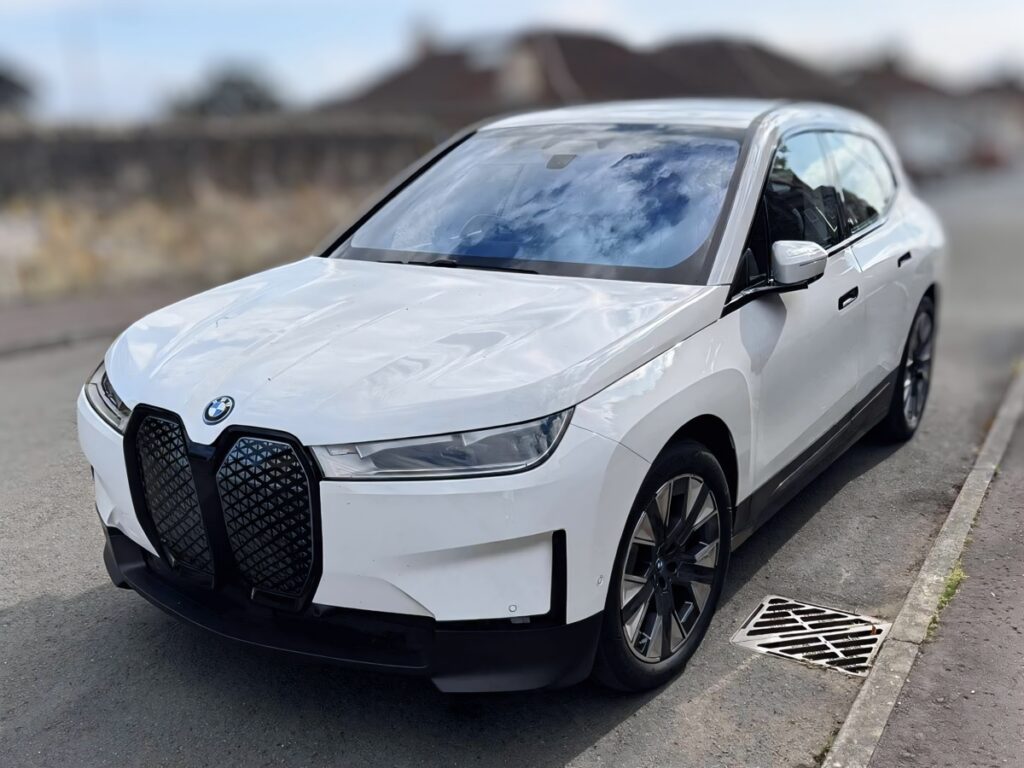
Making the switch to your very first electric vehicle is a big milestone, and for my transition into EV motoring, I chose a 2023 BMW iX xDrive40 Sport finished in white. Having lived with the car for well over a year and clocked between 25,000 and 30,000 miles, I have a clear picture of what makes this flagship electric SUV shine—and where it has its limitations.

Vehicle Specifications & Why I Chose the BMW iX
My BMW iX is the xDrive40 Sport edition. It features a 76.6 kWh battery (71 kWh usable) paired with a dual-motor, all-wheel-drive powertrain that produces 326 bhp (240 kW) and 630 Nm of torque, taking this 2.4-tonne SUV from 0–62 mph in just 6.1 seconds. It also comes equipped with a 500-litre boot (expanding to 1,750 litres with the 40:20:40 split rear seats folded), four-zone automatic climate control, heated seats, Harman Kardon surround sound, and BMW’s sweeping Curved Display combining a 12.3-inch driver’s screen with a 14.9-inch central touchscreen. When specifying the car, I also made sure to include the Driving Assistant and Reversing Assistant packs.
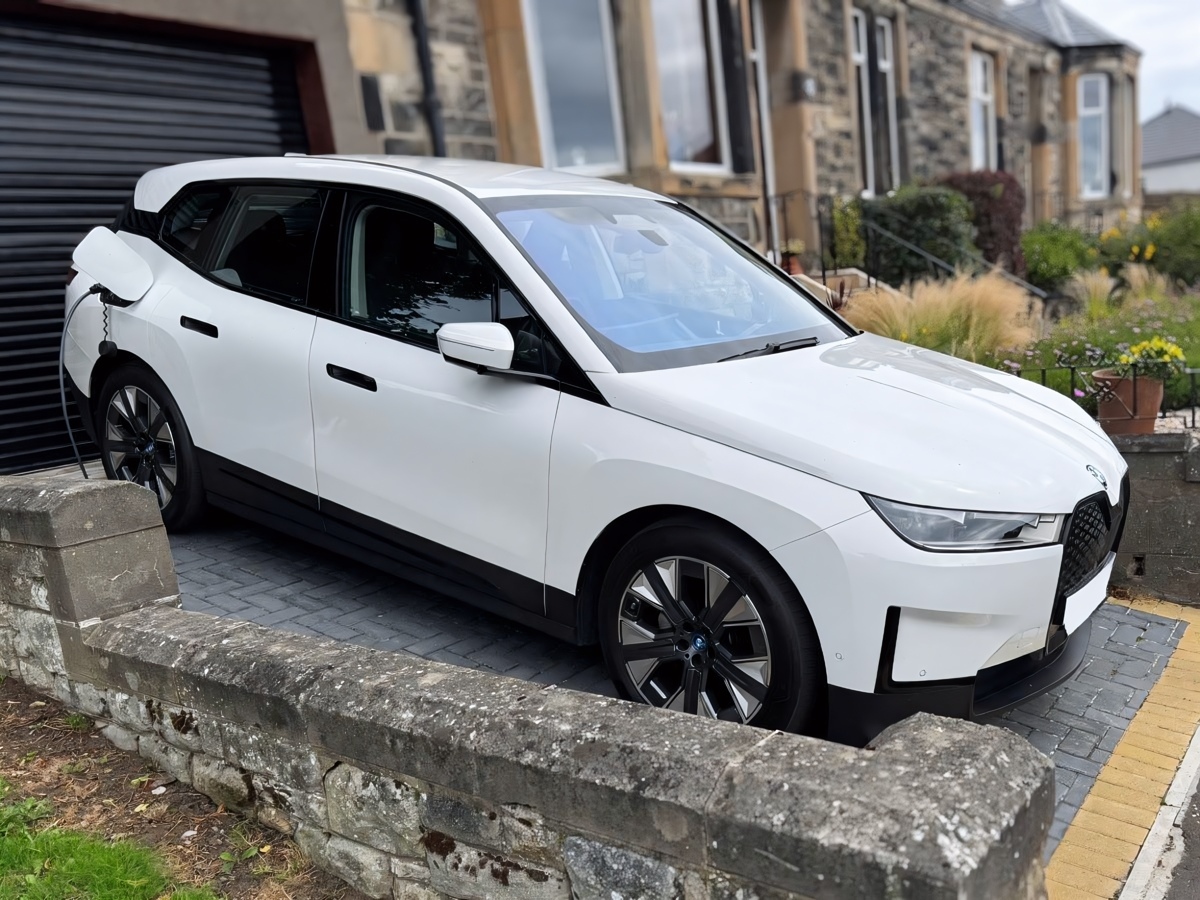
When I was shopping for my first EV, several key factors steered me towards the BMW iX:
-
Cabin and Boot Space: I needed a vehicle with a genuinely roomy interior and a generous luggage compartment.
-
Build Quality & Ride Comfort: The sheer refinement of the ride and the solid, premium feel of the cabin stood out immediately.
-
Advanced Technology: The technical features onboard felt a generation ahead of traditional cars.
-
Dealer Trust: Having a trusted local garage and a great previous ownership experience with both the BMW brand and the dealership gave me complete peace of mind when going electric for the first time.
The Positives & ‘Best-Kept Secret’
The best part of owning the BMW iX is how effortlessly it blends low-cost motoring with flagship size, comfort, and technology. Whether I am popping out locally or settling in for a longer motorway journey, the cabin is a serene, spacious place to spend time.
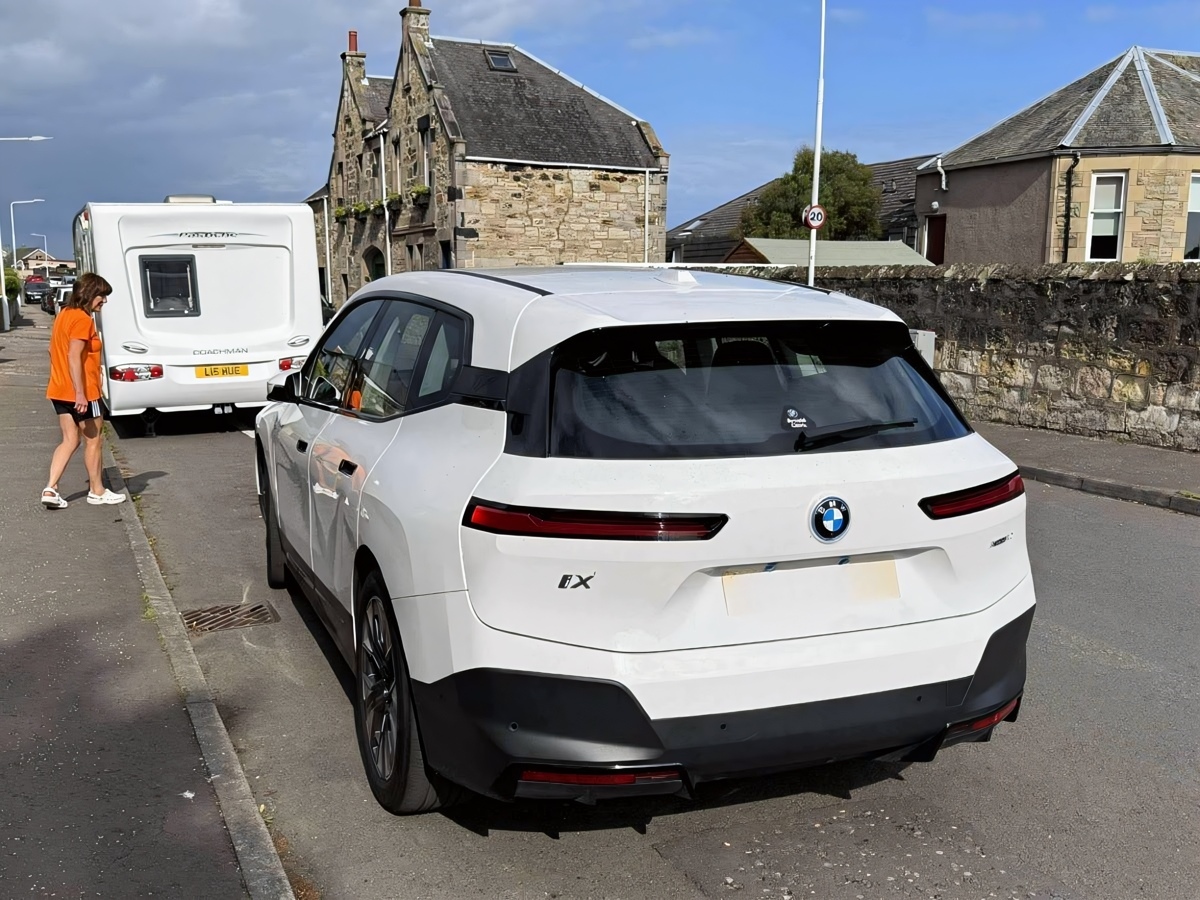
If there is one ‘best-kept secret’ that you only truly appreciate as an owner, it is just how practical and easy to live with the iX is on a daily basis. On paper—and in the metal—it has a substantial footprint (measuring nearly five metres long and almost two metres wide), yet it never feels intimidating or awkward to manage around town or on tight UK roads.
A huge part of that usability comes down to my favourite onboard technology: the Adaptive Cruise Control and the Parking Assistance suite. Both systems work exceptionally well, taking the stress out of stop-start traffic and making slotting a large SUV into tight spaces completely effortless.
The Negatives & Real-World Range
While I thoroughly enjoy the car, the main area for improvement is the driving range. Although the xDrive40 has an official WLTP combined figure of around 257 to 264 miles, in the real world I achieve an average of around 190 miles from an 80% charge.
Even when charged to 100%, the range feels on the low side for a car of this size and touring capability. Furthermore, if you live an active lifestyle, you have to factor in aerodynamic drag: I notice a marked reduction in range whenever I fit a roof box or a roof rack for carrying bikes.
Battery Health, Reliability & Tyre Wear
In terms of battery longevity, the 76.6 kWh pack has been faultless. Now sitting between 25,000 and 30,000 miles, I haven’t noticed any degradation in range or charging speeds compared to the day the vehicle was brand new. As with any EV, however, there is a noticeable seasonal difference in efficiency between warm summer days and cold winter weather.
Mechanically and electronically, I have had zero faults or reliability issues with the car. The only maintenance observation I have made is that the iX seems to wear through tyres faster than a conventional petrol or diesel car—likely down to the combination of instant electric torque and the heavy kerb weight of the vehicle.
Charging: Home Setup vs Public Networks
For day-to-day convenience, I do the bulk of my charging at home on the driveway. My home setup and public charging routine can be broken down as follows:
| Charging Aspect | My Setup & Experience |
| Home Charging Unit | Installed at home; dead simple and intuitive to use with zero negative issues. |
| Energy Supplier & Tariff | EDF GoElectric (18-month EV tariff) — keeps overnight home charging costs low. |
| DC Rapid Charging Capability | Up to 150 kW DC (10–80% in approx. 31–34 minutes) and 11 kW AC onboard charger. |
| Recommended Public Networks |
Arnold Clark garages, Pod Point, and EZO Charging have all provided reliable public charging experiences when away from home. |
Insurance & Overall Running Costs
Is the BMW iX saving me money compared to my previous internal combustion engine (ICE) vehicles? Yes, definitely. The day-to-day fuel savings when charging at home on my EDF EV tariff are substantial, and I am hopeful that long-term servicing and mechanical repair costs will also stay noticeably lower than a petrol or diesel equivalent.
The one area where costs haven’t dropped is car insurance. I insure the iX personally through Aviva, and while the cover itself is straightforward, the premium is noticeably higher than what I used to pay for an ICE car—something prospective buyers should bear in mind given the iX sits in Insurance Group 47E.
What’s Next on My EV Radar?
Living with the iX has completely sold me on electric driving and BMW’s approach to EVs. When the time eventually comes to hand back the keys and trade in, I’ll be staying firmly within the Bavarian stable—an electric BMW iX3 or a future BMW iX5 are right at the top of my list.
Review by Colin