
2026 Suzuki e Vitara Ultra: My First Electric Car Review
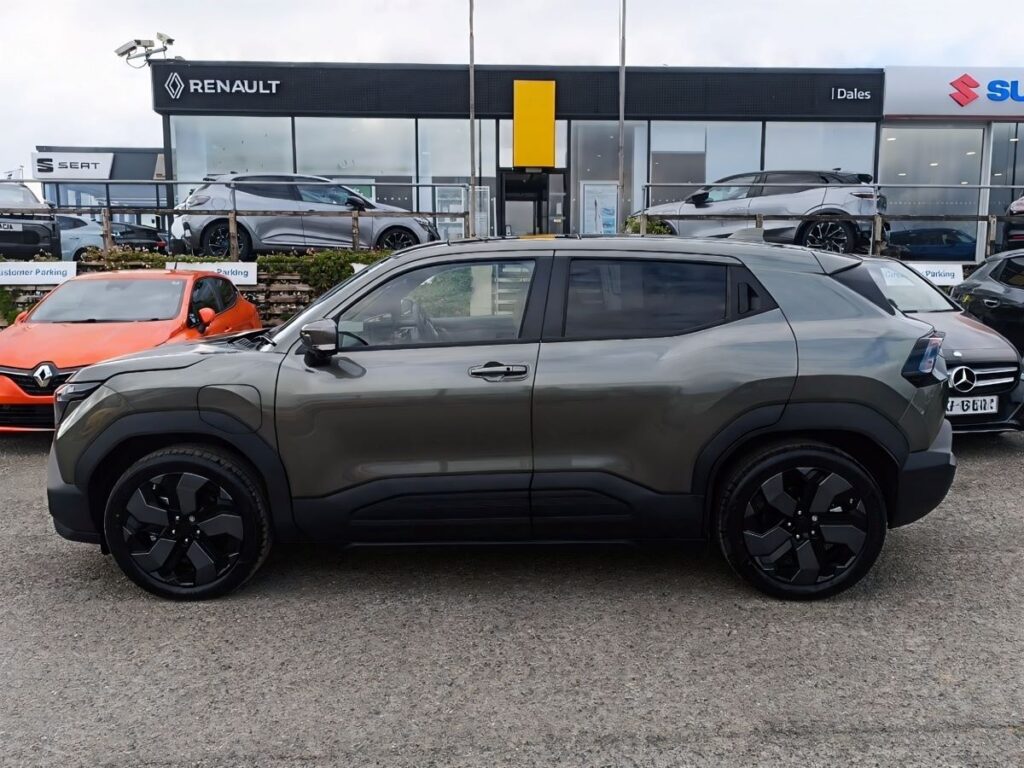
I drive the 2026 Suzuki e Vitara, specifically the 61kWh model (59.8 kWh usable) in the top-tier Ultra specification. Because I opted for the Ultra trim, the car is packed with optional extras, including a panoramic roof, an upgraded sound system, and a comprehensive driver assistance pack. Making the jump to an EV from my previous diesel Mercedes was a big transition, but it has been a fascinating experience.

Why I Chose the e Vitara
When I was hunting for my first electric car, several things drew me to the Vitara. The sharp looks and generous equipment levels initially caught my eye, but the financial package sealed the deal: a 0% PCP finance offer and a massive 10-year warranty gave me total peace of mind. The advertised range was also a primary factor in my decision.
Real-World Range and Driving Experience
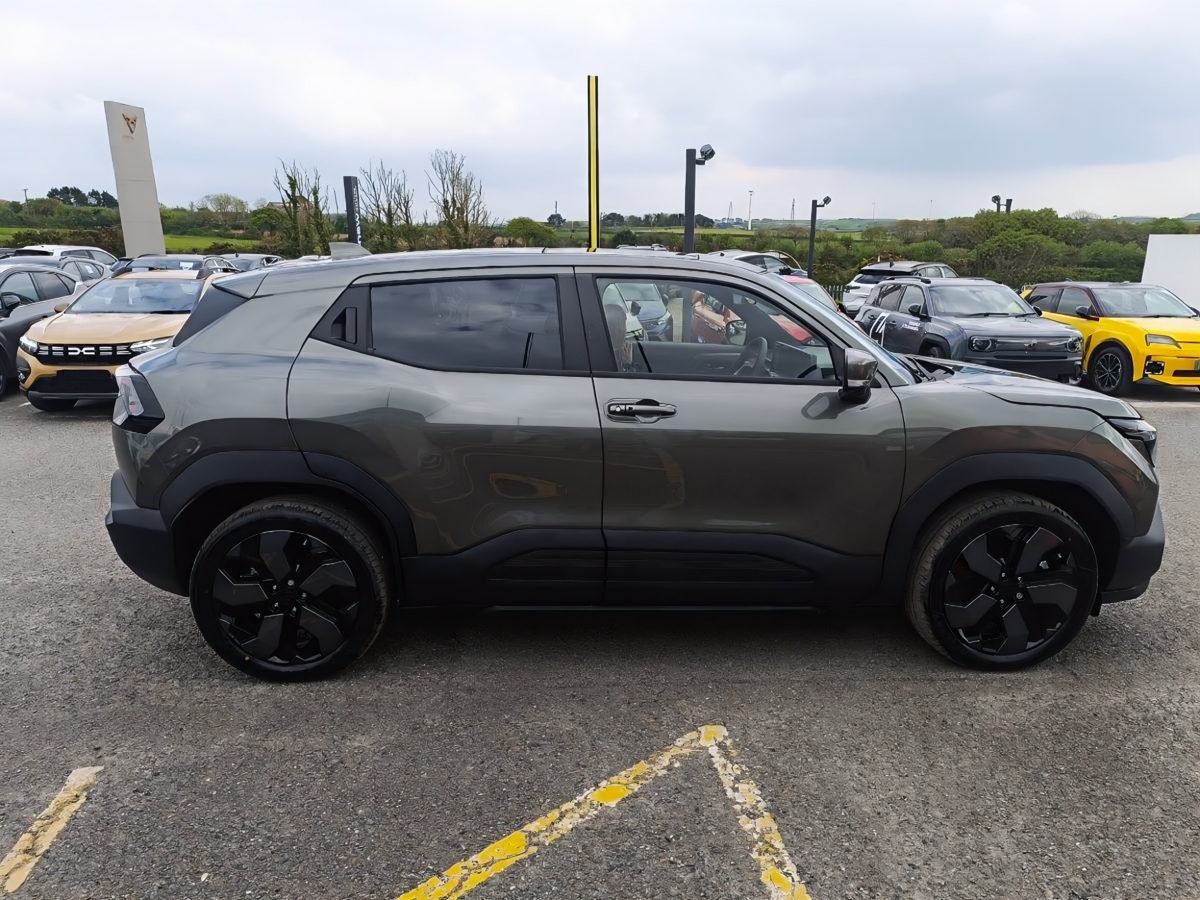
I’ve owned the car for under a year and currently have around 3,000 miles on the clock. I estimate my annual mileage will sit somewhere between 5,000 and 10,000 miles. In terms of real-world performance, charging the 61kWh battery to 80% returns an average range of 170 miles. After 3,000 miles, the battery is still performing exactly like new with no degradation, and I haven’t experienced a single fault with the car since taking delivery.
On the road, the ride quality is fantastic, and combined with the bold looks and high level of technology, it makes for a brilliant daily driver. However, while the range was a positive factor in buying the car, it is also my main area for critique; I do wish it offered slightly more miles per charge and featured faster charging capabilities.
Technology and Best-Kept Secrets
The technology is where this car really shines. My absolute favourite features are the adaptive cruise control and lane assistance, which make motorway driving effortless, along with the brilliant one-foot regenerative driving system for town traffic.
But the best-kept secret that only an EV owner truly appreciates? Being able to warm the car up remotely on cold, frosty mornings before I even get in to drive it.
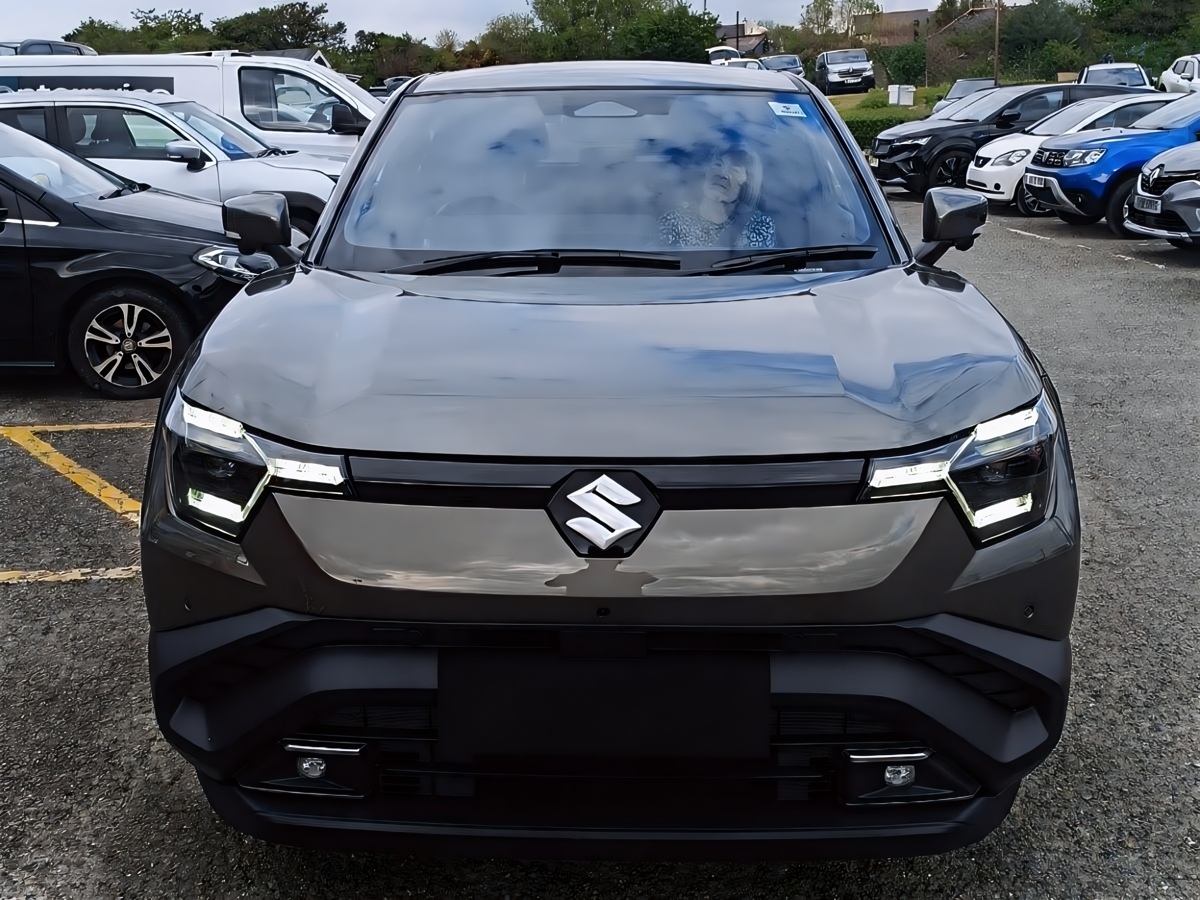
While I love the car, there are a few practical gripes. The boot size could definitely be bigger for a vehicle in this class. Furthermore, having a manual boot lid feels out of place on the Ultra trim; a powered electric boot would make a world of difference when you have your hands full.
Charging and Running Costs
Because we mostly do short journeys, I charge the car almost exclusively at home using a dedicated home charging unit. I absolutely love the ease of simply plugging it in on the driveway and having total control over how much electricity goes into the vehicle. I’m currently on the Octopus Flux tariff. My only frustration with the setup is that I wish there were a few more hours of cheap-rate electricity available on the tariff. I do have access to public charging networks, but I honestly don’t use them enough to pass judgement on which ones are best.
Has it saved me money? Yes, absolutely. Our short journeys and cheap home charging mean our day-to-day fuel costs are noticeably lower. The only area where costs have slightly increased is insurance; my policy with Aviva is a little dearer than it was for my old diesel Mercedes.
The Verdict
Despite a few minor wishes for a bigger boot and slightly faster charging, this is a phenomenal EV. If I had to hand the keys back tomorrow and pick my next car, the Suzuki Vitara EV would still be right at the top of my list.
Review by Lloyd Jenkin