
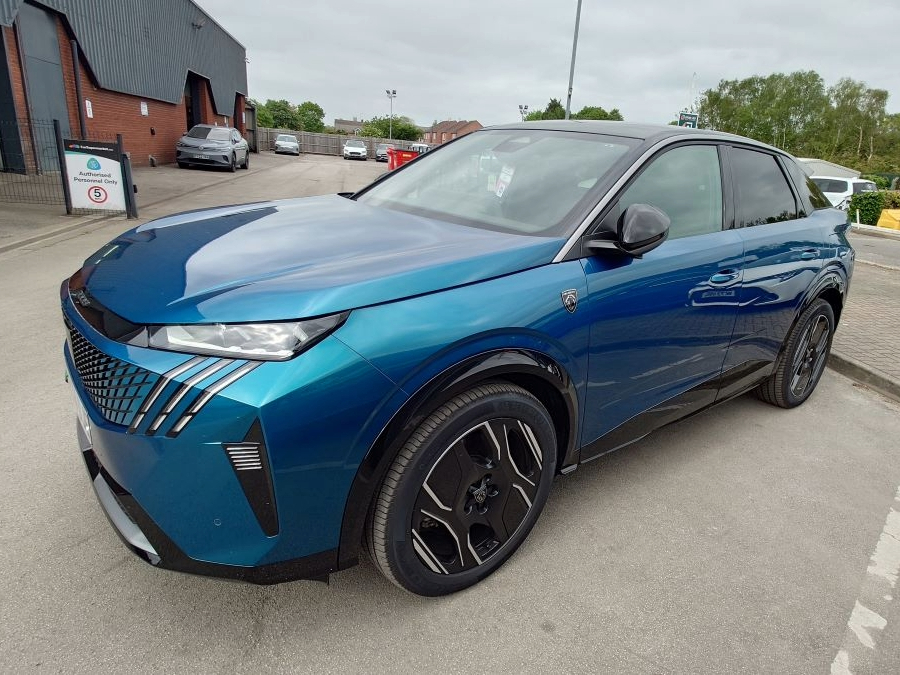
2024 Peugeot E-3008 73kWh Owner Review
This is Nigel’s first electric car, he’s owned his Peugeot E-3008 1-2 years and drives under 25,000-30,000 miles annually. The current mileage of the car is between 30,000-40,000 miles and he achieves 160 miles on average, from an 80% charge. Nigel shares his personal insights into the E-3008’s real-world efficiency, technology, and why he chose this striking French SUV.
Why did you choose the Peugeot E-3008?
I didn’t want to purchase an EV that I thought I might struggle for parts if anything went wrong with it, so I chose Peugeot. The main dealer is only a 10 minute walk from my house. I’ve had Peugeots before and found the garage to be good for service and fair on pricing.

Positives
I don’t think my EV is anything special compared to a petrol or diesel 3008, it just comes in all 3 versions. What I like is very simple, I’m saving between £4,500 and £5,000 a year on not buying diesel to get to work, as I can charge for free there everyday with no restrictions. It’s much easier driving slower within 20mph speed limits and driving up steep, twisty hills without having to worry about changing gear!
Negatives
In warm weather, the car’s performance and battery range is as expected. In winter and the cooler, wetter, windier days below 10 degrees, the battery doesn’t perform so well and in minus-degree weather the range drops off really fast. I don’t think the battery has the protection from the cold; the difference between summer and winter range with an EV is far greater than with the diesel I previously owned, more needs to be done to close this gap.
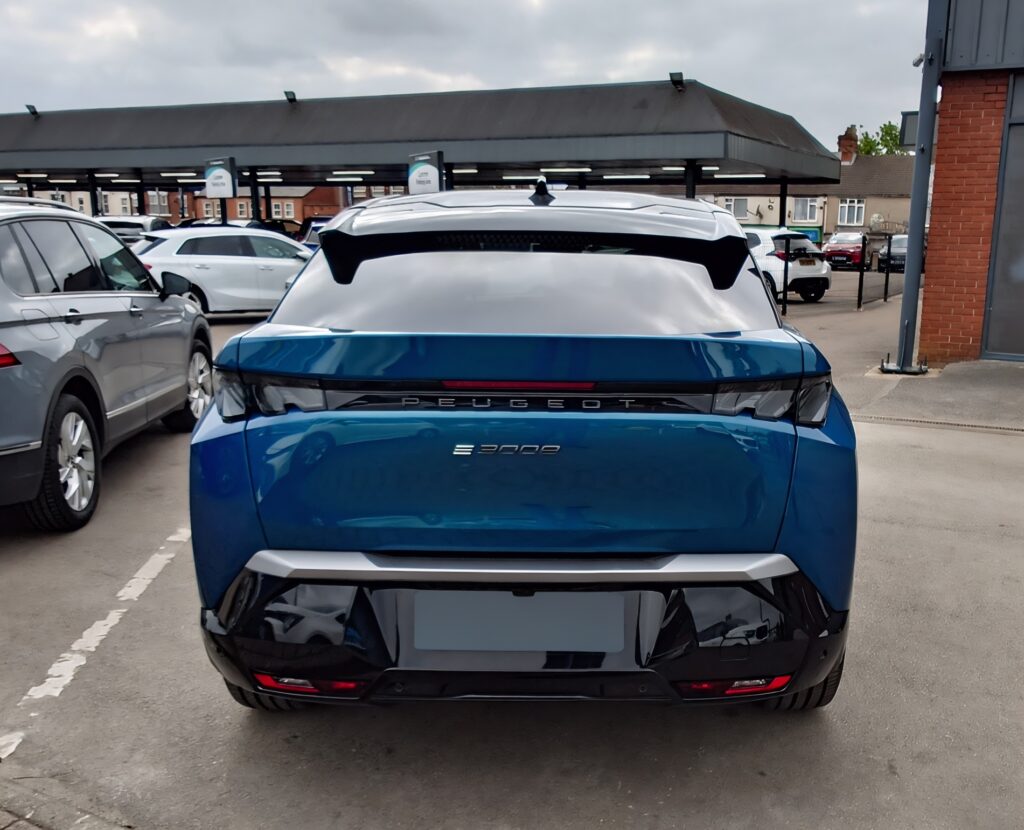
Compared to when you first bought the car, does your battery still charge at the same rate & do you still get the same range?
The Peugeot E-3008 had 347 miles of range at 100% battery and 1,000 miles driven. Now, I see 270 miles of range at 100% battery with 40,000 miles driven. My daily drive to and from work is 120 miles and I follow the 20% to 80% charging rule 95% of the time.
Have you experienced any faults with the car? If so, what have they been?
The car has had the front lower ball joints replaced under a product recall and 2 x software upgrades also under product recall.
What are the standout technological features of the car?
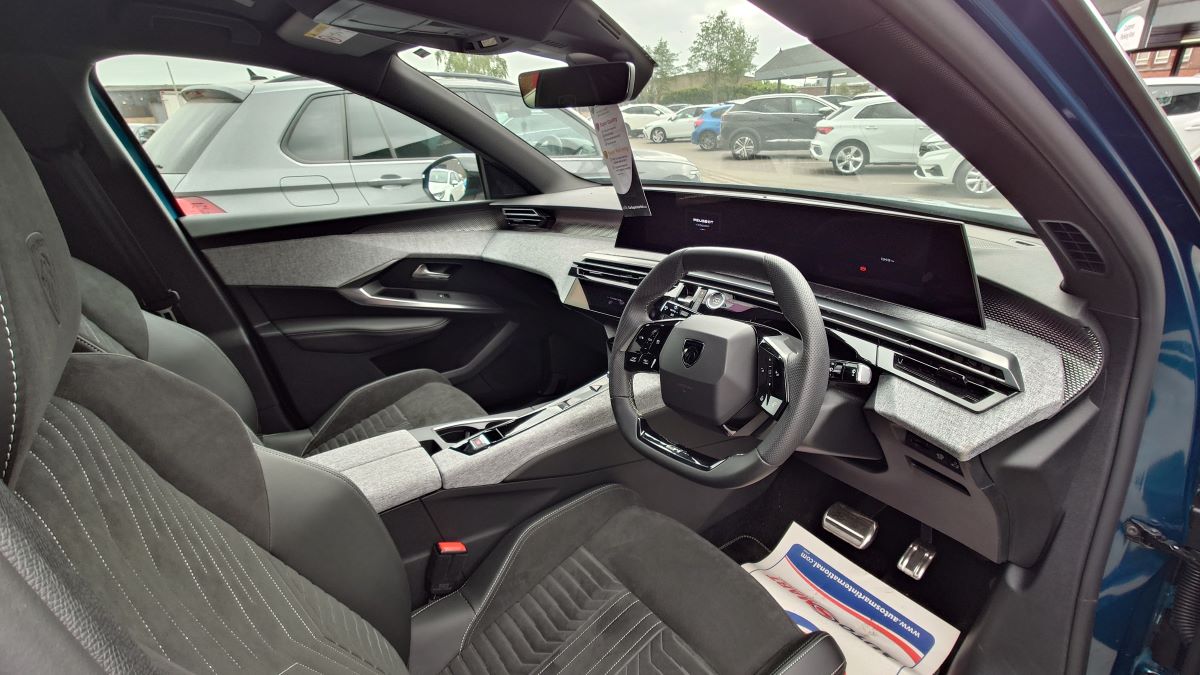
The LED screen is simple to understand, easy to read and customise with Peugeot’s built-in options. I’ve found I don’t need to take my eyes off the road as much as I did with lower screens in older cars.
Tell us something people wouldn’t readily know about your Peugeot E-3008
It’s easy to drive and to use everyday. You get in and go!
What electric car(s) are you interested in next and why?
Mercedes CLA 250+ 85kWh – I’m looking for a car with more range per kWh, which would benefit my run to work and give me more options and charging flexibility. I don’t have a home charger as I live in a terrace house, so there’s no off-street parking. I use public charging when I’m away from work, hence I’m looking for more miles per kWh.
Insurance
Hastings – I’m fully comprehensive and it’s a normal policy as far as I’m aware. As I don’t drive a performance EV, the insurance cost is the same as a normal petrol or diesel vehicle.
What public charging networks would you recommend to others and why?
InstaVolt – in the evening after 8pm is very good value at 55p per kWh and is local to me. I use this when I’m not at work and need to top my car up.
Please itemise where you’re saving money (or not) owning & running a Peugeot E-3008
Yes, about £4,500 to £5,000 a year as I can charge for free though work. But if you had to charge at public chargers there would be no savings, although I haven’t worked out what this would actually cost at 80p+ per kWh. Charging at home would definitely deliver a saving but there is an issue with home charging off-peak windows, where if you’re a high mileage driver with a larger battery, you can’t actually charge your EV from say, 20% to fully charged in the 5 hours or so window that a lot of these EV tariffs offer.