
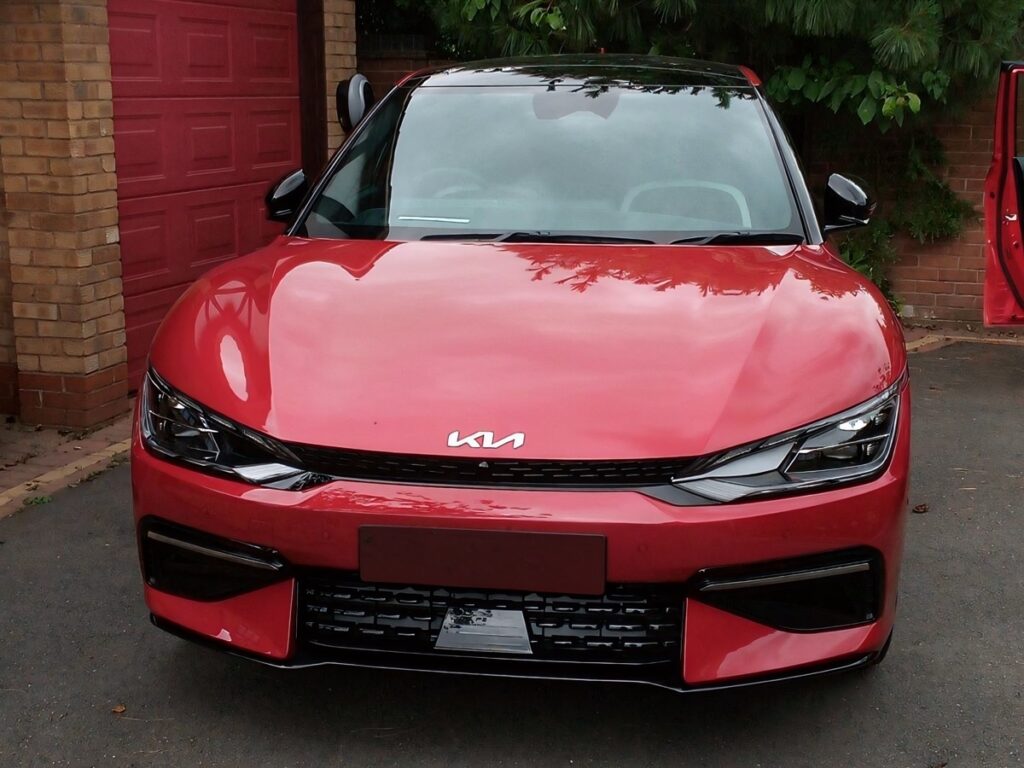
Kia EV6 GT-Line S (77kWh) Owner Review
I have owned my 2023 Kia EV6 for a while now, covering between 5,000 and 10,000 miles in total. As my first ever electric vehicle, I decided to go all-in with the GT-Line S model featuring the 77kWh battery. Based on the specific trim and four-wheel-drive powertrain of my car, it benefits from a dual-motor setup delivering 321 bhp (239 kW) and 605 Nm of torque, which fires it from 0-62 mph in just 5.2 seconds. It also comes fully loaded with features like 20-inch alloy wheels, a Meridian premium sound system, and an augmented reality head-up display.

Why I Chose the EV6
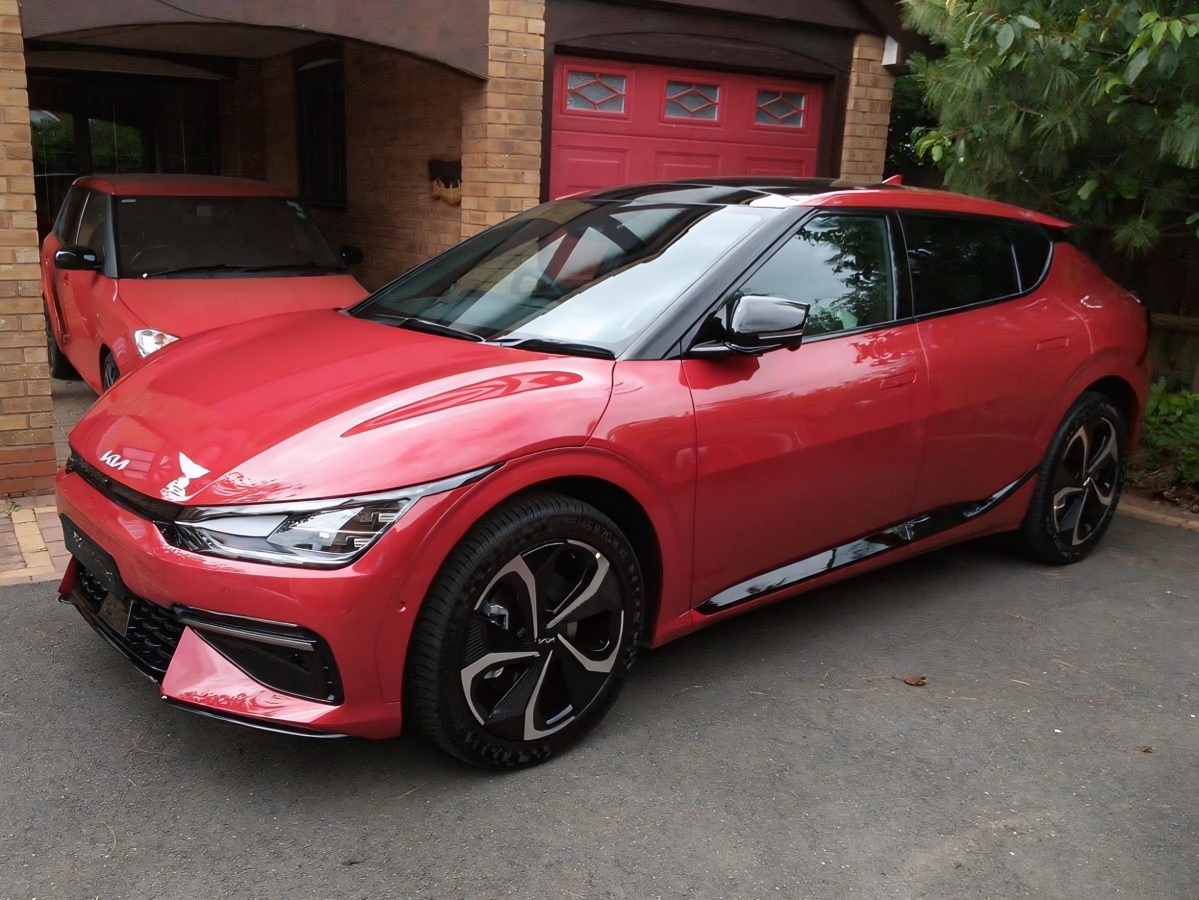
I chose this car primarily for its fantastic styling; it looks completely different to most of the other EV SUV crossovers on the market. It offered a proven manufacturer pedigree—rather than being a Chinese start-up—along with a reassuring warranty. Although it sat at a top-end price point, it was still affordable for my budget, offering plenty of tech and excellent four-wheel-drive performance as standard.
Performance and Handling
The styling and performance are undeniably the greatest positives of this car. The power delivery is superb, and the four-wheel-drive system keeps it firmly planted on the road. The battery still feels as fresh as it did on day one. From an 80% charge, I generally achieve a real-world average range of 240 miles. While the actual range doesn’t quite match the manufacturer’s official figures, this seems to be a common reality for all EVs.
Tech and Features
The GT-Line S comes heavily equipped, and truthfully, I don’t think I have used half of the available technology. However, I find the parking aids extremely useful for daily manoeuvring. The convenience of being able to communicate with the car via the smartphone app is also a great feature. I wouldn’t say there are any ‘secret’ features unique to this car that other EVs don’t have, but the standard tech makes daily life notably easier.
Charging at Home
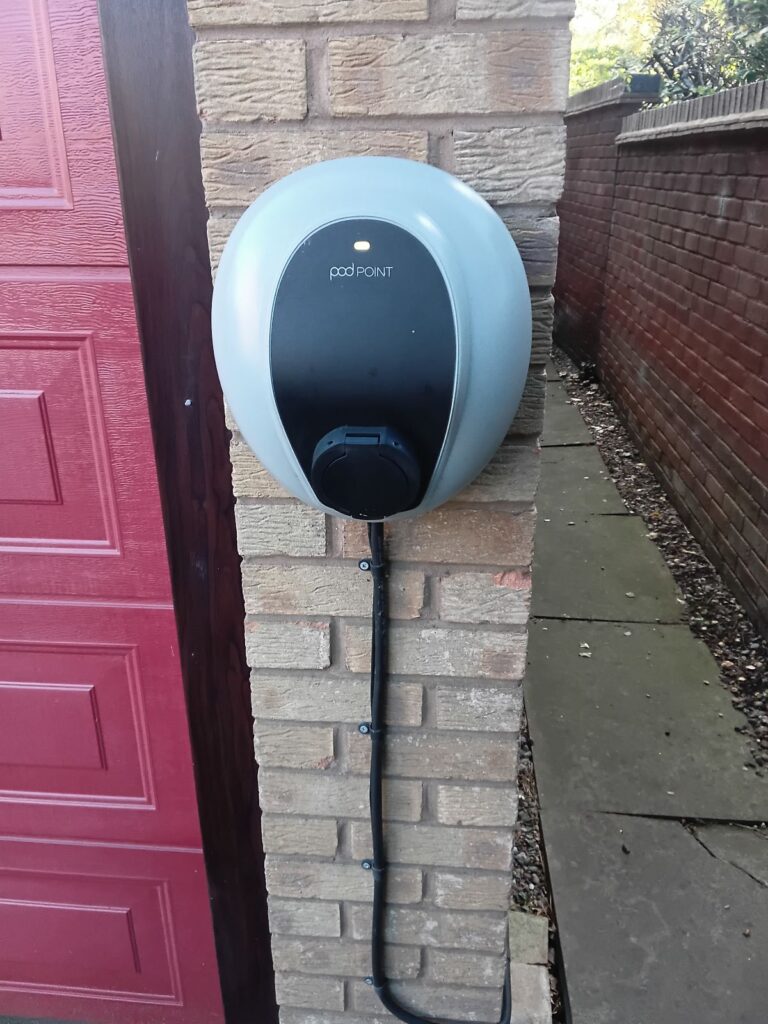
Doing under 5,000 miles annually, I charge exclusively at home and do not use public charging networks at all. My home charging unit was not cheap to install and can be frustrating, as it doesn’t always work seamlessly with its app. I use the Intelligent Octopus Go tariff, which is generally a good tariff. Unfortunately, they stopped supporting the Kia EV6, meaning I now have to rely on a different app to control my charging schedules.
Running Costs and Reliability
Has it saved me money? Charging at home on an off-peak tariff is incredibly cheap compared to filling the tank at today’s petrol prices. Servicing costs are roughly the same as my previous petrol car, which surprised me as I expected them to be cheaper. Insurance is more expensive, but that is understandable given the EV6 is worth significantly more than my old car and is 50% more powerful. I am currently insured through the RAC, who quoted a great price that was actually cheaper than my previous year’s premium for standard cover.
In terms of reliability, the car has been faultless. I have experienced no mechanical or software faults, aside from one minor recall regarding a possible electric seat wiring fault. It was checked at the dealership and returned to me in less than an hour.
The Downsides and What’s Next
My main frustrations are minor but notable. Aside from the aforementioned real-world range gap, the lack of a rear wiper is an annoyance in British weather.
Looking ahead, I am acutely aware of the current residual values and steep depreciation of EVs. Having bought this car brand new, I can’t see myself buying a brand-new EV again. The second-hand market is far more appealing, as models that were previously above my new-car budget are now becoming viable options. If I were to trade the keys in tomorrow, the Hyundai IONIQ 5N and the MG Cyberster are the two cars that stand out at the top of my list.