
Hyundai Inster Cross 49kWh Review: The Ultimate Compact EV for Cornish Adventures?
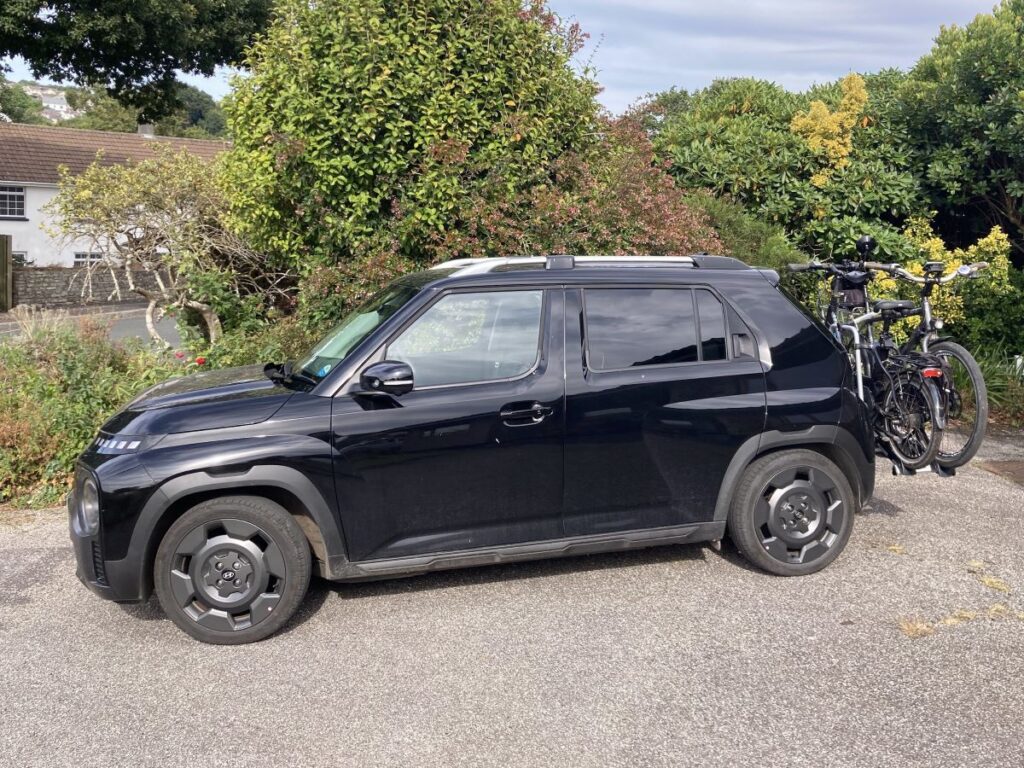
As my second electric vehicle, the step up to our 2025 Hyundai Inster Cross has been a genuine revelation. Before buying our black Inster Cross, my partner and I owned a BMW i3s for a couple of years. It was a great car to drive, featuring lovely leather seating, eucalyptus wood trim in the front, and excellent handling.

However, it had its flaws: the ride was quite firm, replacement tyres were very expensive, and the unusual door arrangement took quite a bit of getting used to, even though it did make getting in and out of the rear a bit easier. Above all else, the electric range wasn’t the best.
Why We Chose the Hyundai Inster Cross
One of the main reasons we decided to change cars was to be able to carry bicycles on the back for our little adventures. We specifically had a tow bar fitted to our Inster to accommodate a cycle rack. We used Carwow to track down the car at a very competitive price, which ultimately clinched the deal for us. In hindsight, we might have preferred the green paintwork over the black, but we are thrilled with the car regardless.
For context on the hardware, based on the late-2025 registration specifications of this model, it is equipped with an 85 kW (115 PS) front-mounted electric motor that generates 147 Nm of torque. This front-wheel-drive, 5-door crossover setup officially delivers a 0-62 mph time of 10.6 seconds, a top speed of 93 mph, and a combined WLTP range of 223 miles.
Driving Experience and Real-World EV Range
Out on the road, this car is incredibly fun to drive and feels much quicker than the official stats suggest. It has also proven to be highly economical. During the summer months, we actually saw a range of over 250 miles. On a typical day, from an 80% charge, we reliably achieve an average of 175 miles. The 49kWh battery (46kWh usuable) is performing brilliantly. The range has consistently exceeded the manufacturer’s claimed figures, and I have noticed absolutely no battery degradation.
Navigating Country Roads and Parking
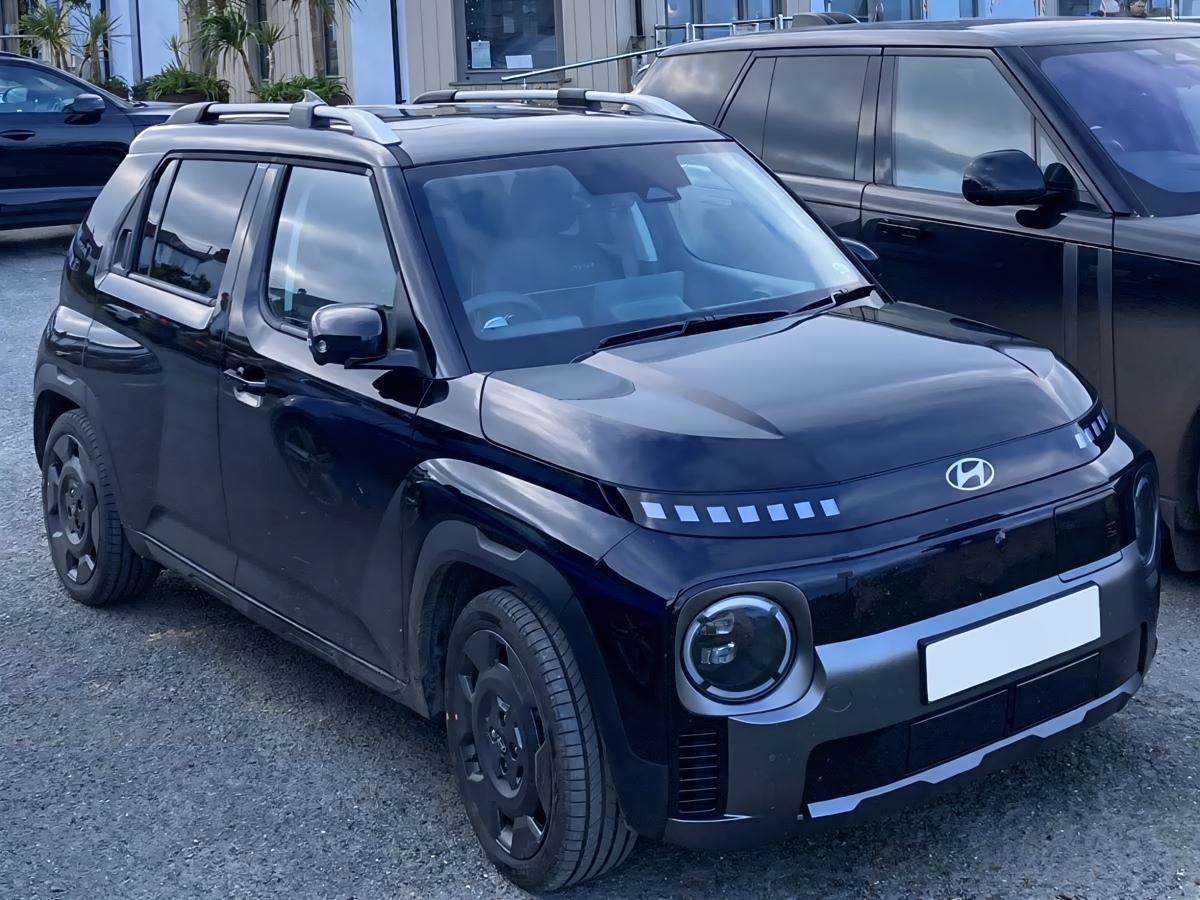
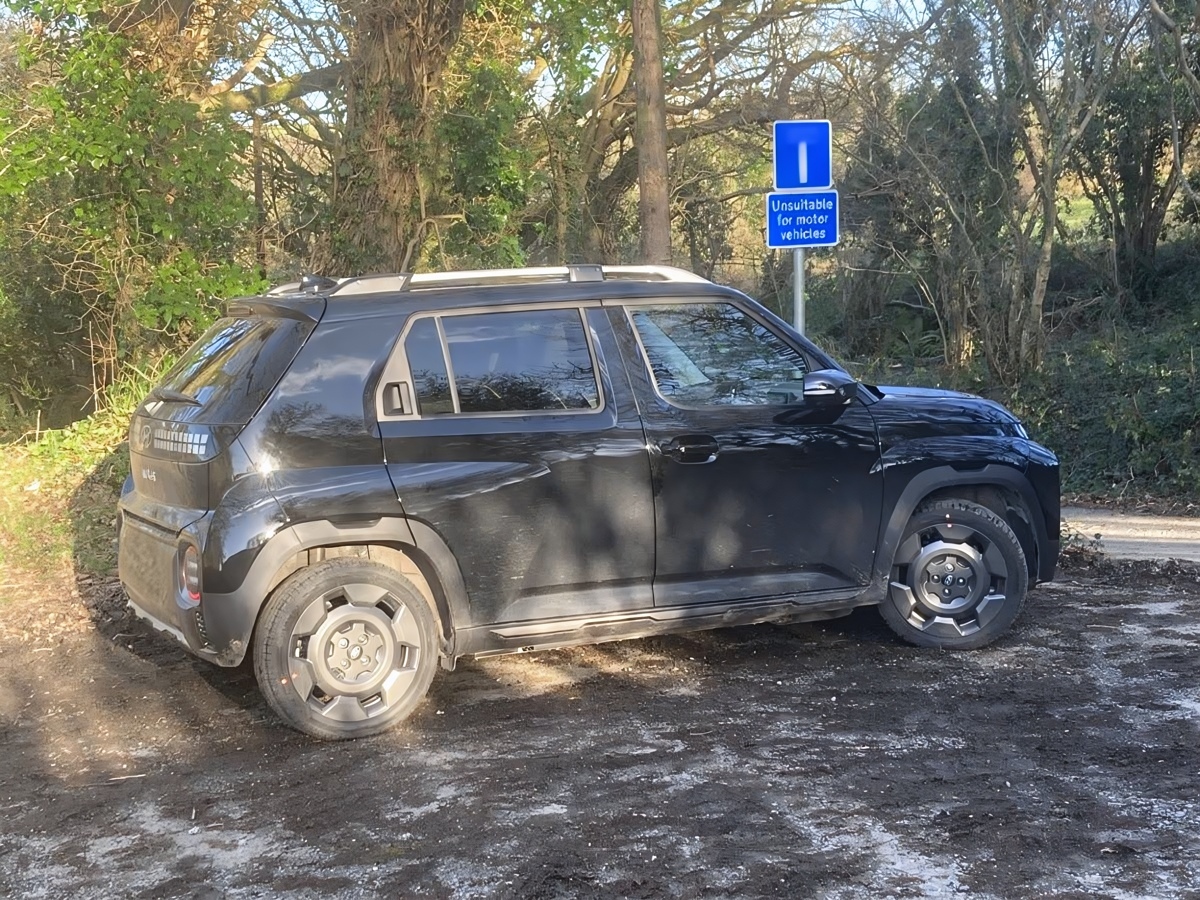
Living in Cornwall, we do a lot of driving along narrow back roads. The car’s small size is a massive benefit when it comes to passing other vehicles. You get a clear view all round, and parking is an absolute doddle thanks to all the onboard cameras.
Interior Space and Practicality
Inside, the space is quite amazing for such a small footprint. The sliding rear seats offer brilliant flexibility, and all the seats fold completely flat. You could easily sleep in it if you ever wanted to!
Living with the Tech: Standout Features
There is an amazing amount of technology packed into such a small package. My absolute favourite features are the 360-degree cameras and the adaptive cruise control. All the physical controls are easily to hand, with plenty of tactile buttons for quick access.
If there is a best-kept secret about this EV, it has to be the paddle shifters for adjusting the regenerative braking. The specific setting that makes the regeneration fully automatic is fantastic.
Minor Frustrations and Reliability
As for the negatives, I genuinely cannot think of many. Perhaps the biggest frustration is just getting used to all the tech; the warning ‘bings and bongs’ can get annoying until you learn how to quieten them down. We did experience one minor mechanical issue: a recall a few weeks ago to change a three-way coolant valve. However, this was completely dealt with in about one hour at our local dealer.
EV Charging Routine and Tariffs
My current mileage sits between 5,000 and 10,000 miles, which is exactly what I estimate for my annual mileage moving forward. We primarily charge the car at home using a myenergi zappi unit. It has given us absolutely no problems so far and is cleverly able to charge the car using our surplus solar energy.
We use Octopus Energy on the Intelligent Octopus Go 12m Loyal Fixed tariff, meaning our overnight charging costs are just 7p per kWh (prices correct as of November 2026). Their Electroverse app is also excellent, providing maps and prices for chargers around the country, along with some handy discounts.
Public Charging Networks
When we do need a public fast charge, the Inster will top up from 20% to 80% in around 30 minutes. I tend to use MFG chargers, which are mostly working and offer reasonable prices. I always try to avoid Gridserve, however, after having some bad experiences with them in the past.
Final Thoughts: Running Costs and Savings
Overall, especially with fuel prices as they currently are, I would say this car is saving us a small fortune. Even the servicing costs tend to be cheaper than traditional internal combustion engine cars. What’s not to like?
Right now, there is absolutely nothing else on my EV radar. If I were asked to trade in my keys tomorrow, I wouldn’t. I am still completely loving this one.