
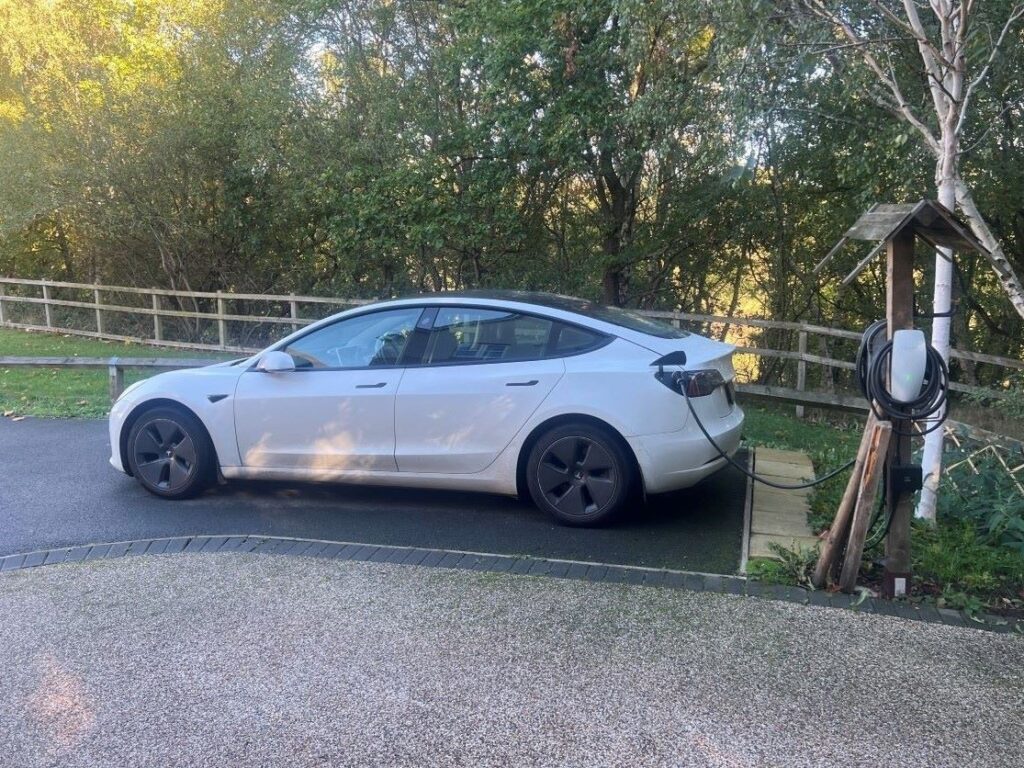
2020 Tesla Model 3 Dual Motor Long Range: High-Mileage 127K Owner Review
Reviewer: Gwyn Alun Ingman
As an EV veteran who has owned more than five electric cars, I knew exactly what I was looking for when I picked up a high-mileage, Category S 2020 Tesla Model 3 Long Range (80.5kWh battery, usable 73.5kWh) at a great price. With a preference for four-wheel drive and a strong belief in Tesla’s reputation for handling high mileages without major issues, this car quickly became my daily driver for an estimated 20,000 to 25,000 miles a year.

Having now pushed past the 100,000-mile bracket into 127,000 miles total, here is my honest, long-term review of what it is truly like to live with a high-mileage Tesla Model 3.
Battery Performance and Degradation at 127,000 Miles
The question everyone asks about high-mileage electric vehicles is how the battery is holding up. I am thrilled to report that the battery is still at over 90% of its original charge capacity. Even with 127,000 miles on the clock, I can still comfortably achieve around 290 miles of range in a day, which is more than I actually need.
Driving Dynamics and Favourite Technology
It is a fantastic car to drive, offering effortless power whenever it is needed alongside brilliant energy efficiency. Out on the road, a few features truly stand out:
-
Autopilot: This is my favourite piece of technology. It makes long runs significantly less stressful.
-
Entertainment & Tech Suite: While I usually prefer Apple CarPlay in other vehicles, the built-in Tesla tech is so comprehensive and responsive that you simply do not need it.
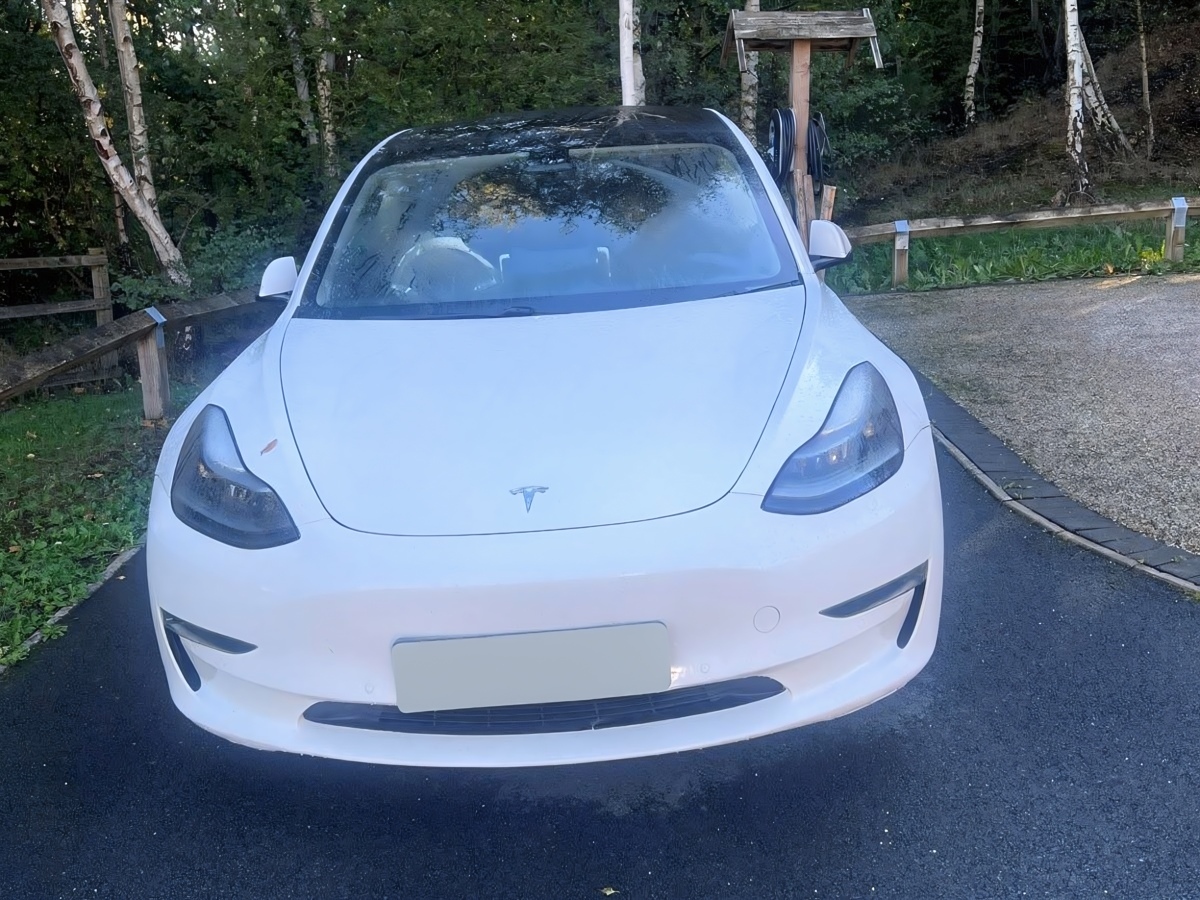
The Best-Kept Secret: Value and Low Maintenance
The best-kept secret about owning this car is the incredible value it represents. Because I bought it with high mileage, I secured a fantastic price, and the car has the potential to push toward 400,000 miles just as others have done. Pair that with remarkably low maintenance and running costs that most drivers never see, and it is a winning formula.
The Downsides and Minor Issues
No vehicle is completely without fault, though my gripes are minor:
-
Boot Opening: The boot opening is a little on the small side, but it is easy enough to live with. (My wife drives a Model Y, but this Model 3 suits my daily commute perfectly.)
-
Wear and Tear: Now that the car is out of warranty, Tesla checked it over and I only encountered some minor internal wear-and-tear issues alongside a rear light replacement. Impressively, Tesla supplied the parts cheaper than eBay and confirmed the car was in top structural order.
Home Charging, Tariffs, and Public Networks
Charging at home is seamless thanks to my Intelligent Octopus Go tariff, where I set the car to charge automatically during off-peak hours to keep costs exceptionally low.
My charging hardware setup includes:
-
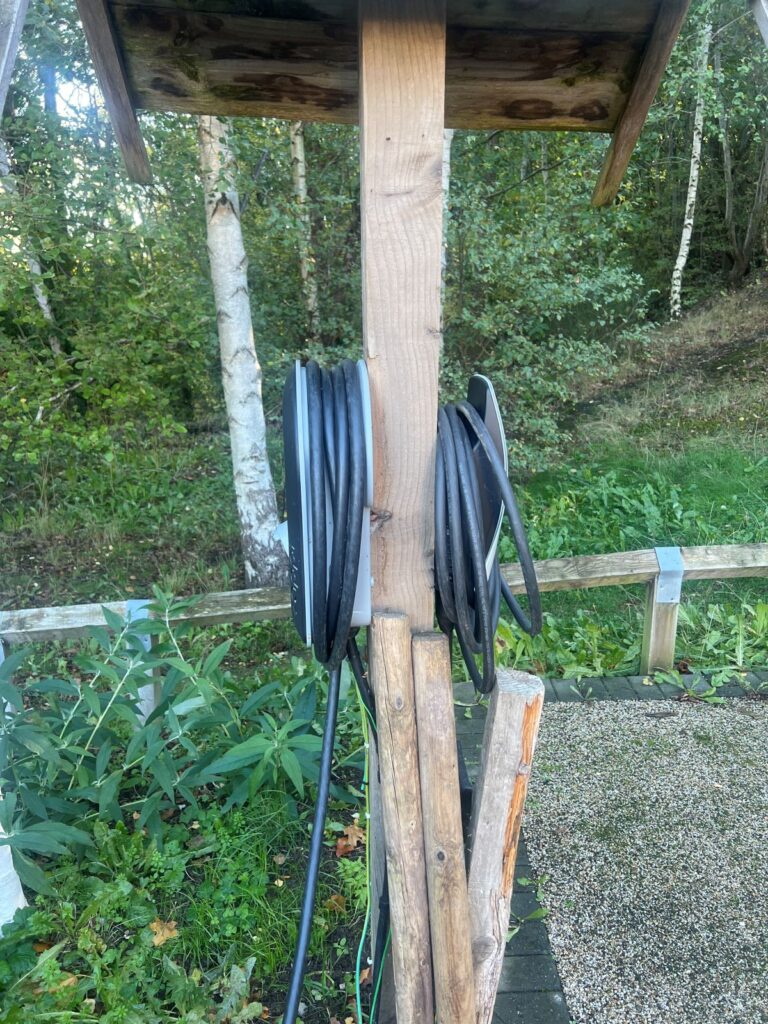
Tesla Wall Connector: I am actually on my second, and it works effortlessly.
-
zappi Charger: I also run a zappi unit to capture solar power when needed. While it works fine, it has occasional connectivity issues and cannot connect to the app, meaning I have to double-check my settings when plugging in.
When I do head out on long journeys, I exclusively rely on the Tesla Supercharger network. Because home charging covers 99% of my needs, I can go months without using a public charger. On the rare occasion I have looked at non-Tesla stations, I’ve found using them to be irritating and unreliable.
Insurance and Running Costs: Is It Saving Money?
Having not owned a petrol or diesel car in about 10 years, the savings speak for themselves. Insurance is easily the most expensive part of keeping a low-cost Tesla—even with many years of no-claims bonus, it still costs me £130 a month. However, looking purely at energy, driving roughly 2,000 miles a month costs me a minuscule £10 to £15 per week in electricity.
If I traded keys tomorrow, would I change anything? I fancy an electric camper van eventually—perhaps the new Kia PV9 if it drops into my price range—but honestly, I don’t need to give up the Model 3. As a daily driver, it is a perfectly brilliant car.