
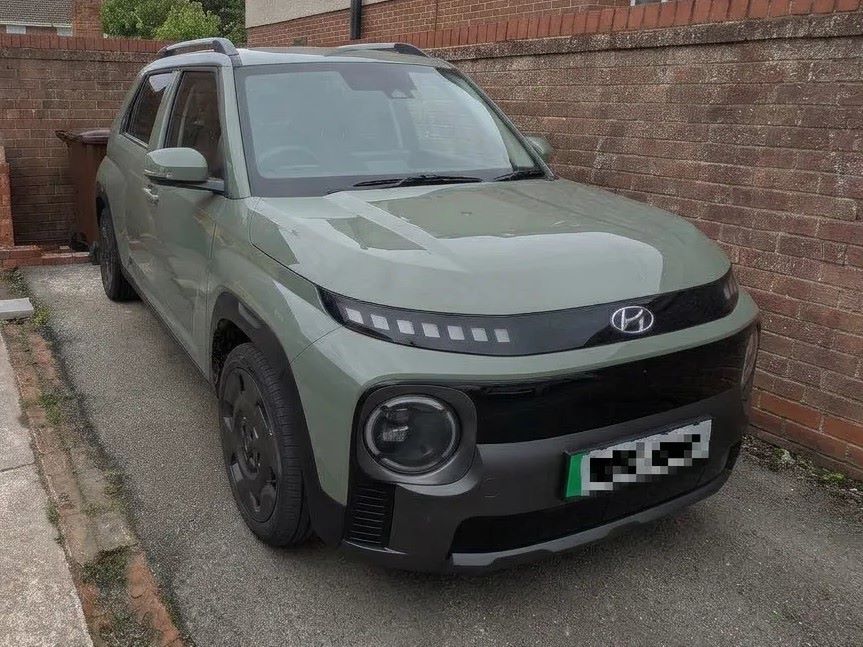
I’ve been driving my 2025 Hyundai Inster Cross Long Range 49kWh for between one and two years. This is my third electric car, and I have covered between 5,000 and 10,000 miles in it so far, matching my estimated annual mileage of 5,000 to 10,000 miles.

Why I Chose the Hyundai Inster 49kWh Cross Long Range
At the time I was looking for this car, I had just been involved in an accident in which my previous car—a Hyundai Kona—was written off by the insurance company. A friend of mine who works at Hyundai recommended the Inster as an alternative to the Kona.
Unfortunately, when I initially tried to order the Inster, I failed the finance checks because I already had another car, which sent me back to square one. I ended up buying a Vauxhall Mokka-e instead, and it turned out to be a terrible car. I had nothing but problems with it and nearly had another accident because of an electrical fault. I only kept the Mokka-e for one month before my partner said he would get the Hyundai Inster for me in his name.
Since getting the Inster, we have taken it on several long journeys, and the only issue we have found on those trips is that the seats are not comfortable enough for long distances.
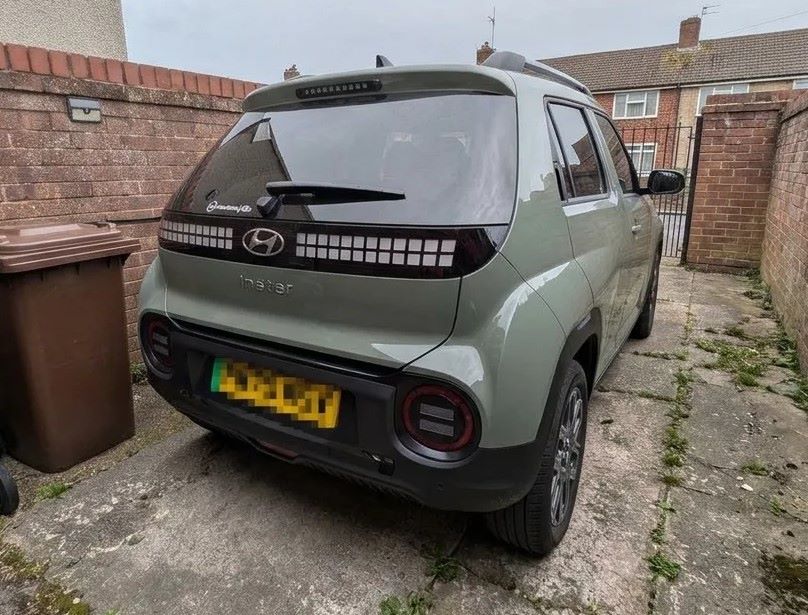
Real-World Range, Efficiency and Recalls
Rather than charging to 80%, I charge to 100%, where the best range I have achieved is 270 miles, alongside 250 miles on a 100% charge in summer. I have had no problems at all with the battery or charging, and I have been regularly achieving around 4.7 miles per kWh in both summer and winter.
The car has not developed any faults. It did have three recalls, but it came back from the dealer completely fine with no problems.
What I Love Most About My Hyundai Inster
For everyday driving, the Inster has a lot going for it:
-
Fun and reliable to drive: I mainly use the car for short journeys, with the occasional longer trip, and it has proved both enjoyable and very dependable.
-
Helpful charger guidance: One of my favourite features is how the sat nav automatically guides you to the nearest charger, whether you are on a long journey or even a short local drive.
Favourite Tech and Best-Kept Secret
Alongside the sat nav’s charge-point routing, I really enjoy using the cruise control, and the regenerative braking on the car is very good. As for a smaller detail that stands out once you live with the car, my partner particularly likes the air flaps on the front of the car that open to cool the battery down.
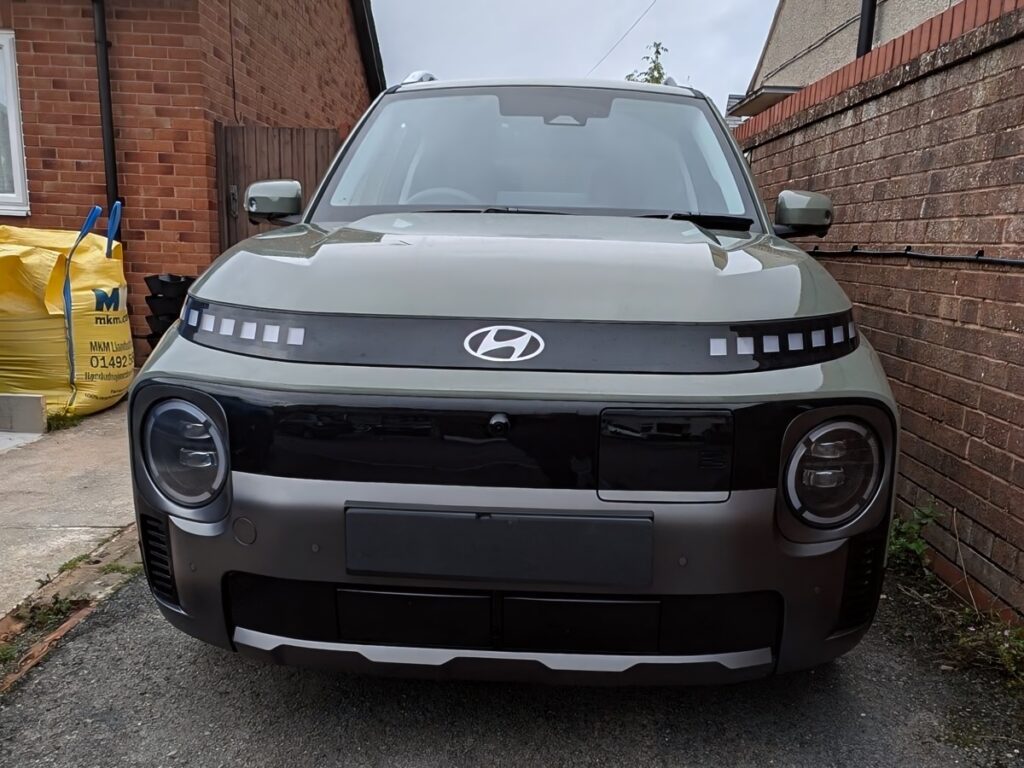
What Could Be Better
There are a few practical drawbacks to bear in mind:
-
Four-seat layout: The Inster only has four seats. I knew this before buying the car and thought it would be fine, but it has caused a problem on a few occasions and has ultimately led me to choose a bigger car next.
-
Small boot space: The boot is quite small as well.
-
Long-distance seat comfort: While fine around town, the seats are not comfortable enough for longer journeys.
Home and Public Charging Experience
I charge my Hyundai Inster at home using an Ohme home charger. My electricity supplier is Octopus Energy on the Intelligent Octopus Go tariff. The best thing about this tariff is the low electricity rate between 11:30pm and 5:30am, which makes charging the car very affordable and cost-effective.
I only use public chargers when I go on long journeys. Over the years, I have used several different public charging networks and would recommend all of them.
Insurance & Running Costs
I insure the car personally. Over the years, I have been with three different insurance providers, though my renewal price this year was very high compared with what it had been in the past—I am not sure whether that is down to new changes for electric cars.
On day-to-day running costs, however, the Inster is saving me a lot of money:
-
Home charging costs: It costs me between £4 and £6 per charge, and sometimes I only need to plug in once every two months.
-
Petrol and hybrid comparison: I used to pay around £30 to £60 per month on petrol. I also currently have another car—a self-charging hybrid—which costs around £50 to £80 to fill every two to three months.
What EV Is Next?
Because I need more seating and space, I have already ordered a Kia EV2, which I will run for three years. Once that three-year contract ends, I plan to go back to a Hyundai Kona when the new model comes out in 2027 to 2028.
Review by Erin
Editorial note: All prices, tariffs, running costs and financial comparisons—including any reported savings or additional expenses—reflect this individual owner’s personal experience at the time of submission, are provided for general information only (not financial, tax or insurance advice), and are subject to change.